Why Choose an Ultra Clean Workbench for Your Workspace Needs?
The importance of an Ultra Clean Workbench in modern workspaces cannot be overstated. Dr. Emily Chen, a leading expert in laboratory design, emphasizes, "A clean workspace is a catalyst for innovation." This statement rings true in various industries, particularly where precision and safety are paramount.
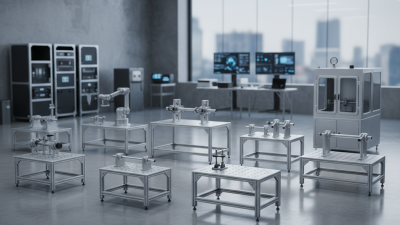
An Ultra Clean Workbench is designed to minimize contamination risks. This is crucial for laboratories, electronics manufacturing, and even medical facilities. Implementing such workbenches can significantly enhance productivity and reduce errors. Workers can focus on their tasks without the worry of environmental pollutants affecting their results. However, the initial investment and upkeep may pose challenges.
Choosing an Ultra Clean Workbench involves considering various factors. Cost, maintenance, and specific requirements of the industry are important. While the benefits are clear, organizations must reflect on balancing these needs with budget constraints. In this analysis, we delve into why these workbenches are worth the effort despite their drawbacks.
Understanding Ultra Clean Workbenches: Definition and Purposes
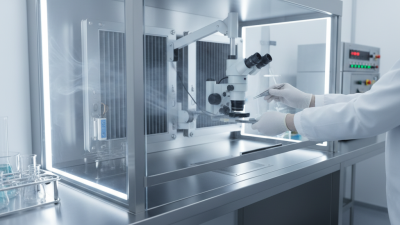
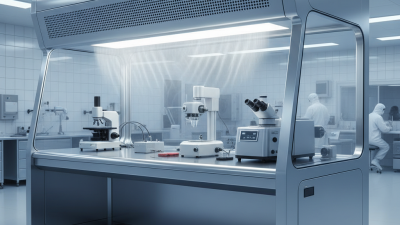
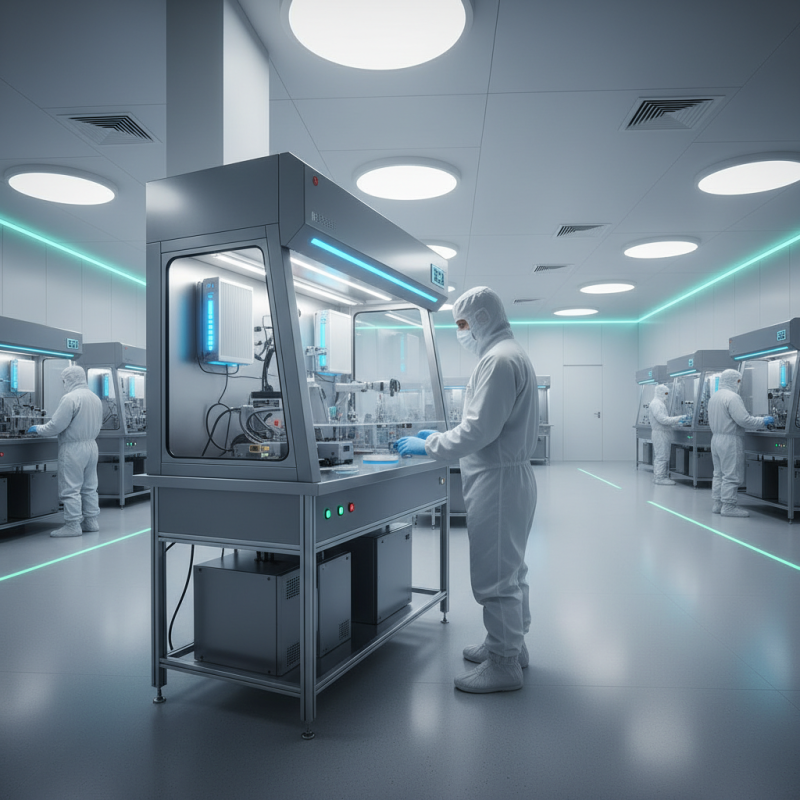
Ultra clean workbenches are specialized surfaces designed to minimize contamination in sensitive environments. These workbenches are critical in laboratories and manufacturing settings where purity is vital. They prevent dust, airborne particles, and other contaminants from interfering with delicate operations.
The purpose of an ultra clean workbench is to provide a controlled environment. They use HEPA filters and laminar airflow systems to keep the workspace sterile. This design reduces the risk of cross-contamination, particularly in fields like electronics, pharmaceuticals, and biotechnology. Many professionals find these workstations improve their productivity. They create a focused atmosphere that encourages precision and care in tasks.
However, not all ultra clean workbenches perform equally. Users may encounter challenges with maintenance and airflow consistency. Regular checks are vital to ensure filters are functioning properly. This ongoing vigilance is essential for maximizing the effectiveness of an ultra clean workbench. It requires diligence and a proactive approach, highlighting the importance of ongoing education in maintaining these crucial tools.
Key Benefits of Ultra Clean Workbenches in Diverse Industries
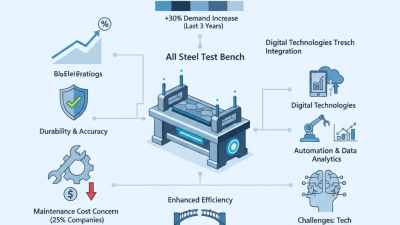
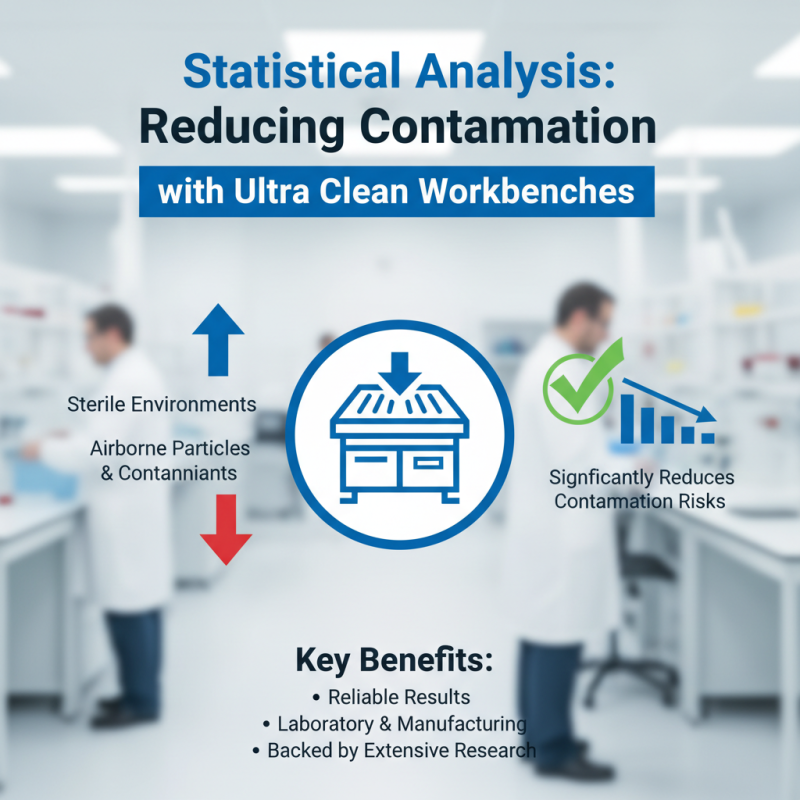
Ultra clean workbenches are essential for maintaining high standards in various industries. They provide a controlled environment vital for tasks requiring minimal contamination. According to a 2023 report by the International Cleanroom Institute, workplaces that adopt ultra clean technology see a 30% reduction in contamination levels. This improvement is crucial in sectors like pharmaceuticals and electronics, where product quality hinges on cleanliness.
Tip: Regularly calibrate your workbench's airflow and filtration systems to ensure optimal performance. Contamination can happen quickly if these systems fail.
Moreover, ultra clean workbenches minimize downtime. A study published in the Journal of Contamination Control found that companies using these workbenches reported a 25% increase in workflow efficiency. Given the rapid advancements in technology, investing in clean workspaces supports innovation, speed, and quality.
Tip: Consider implementing regular training sessions for staff on maintaining cleanliness standards. Awareness can enhance the overall efficacy of your clean workspace.
The investments in ultra clean workbenches can yield substantial returns. They not only safeguard product integrity but also protect employee health. However, organizations must remain vigilant. Even the best systems require constant attention to detail.
Key Benefits of Ultra Clean Workbenches in Diverse Industries
Industry Standards for Cleanliness: ANSI, ISO, and Their Impacts
When considering cleanliness in various industries, ANSI and ISO standards play a vital role. ANSI (American National Standards Institute) provides guidelines that help organizations promote safer work environments. In contrast, ISO (International Organization for Standardization) sets global benchmarks for quality and safety. Adhering to these standards is crucial for maintaining a hygienic workspace.
For example, ISO 14644-1 outlines the cleanliness levels for cleanrooms, categorizing them from ISO Class 1 to ISO Class 9. A key metric here is particulate contamination. Class 1 allows a maximum of 10 particles per cubic meter, while Class 9 allows 35,200,000. These benchmarks are crucial for industries like pharmaceuticals and semiconductor manufacturing, where even minute contamination can lead to product failure.
However, maintaining compliance with these standards can be challenging. Organizations often struggle with the initial implementation costs and continuous monitoring. The perception of cleanliness might also vary among employees. Regular training and audits are necessary yet can be overlooked. Balancing compliance with operational efficiency remains a constant challenge for many.
Case Studies: Successful Implementation in Healthcare and Pharmaceuticals
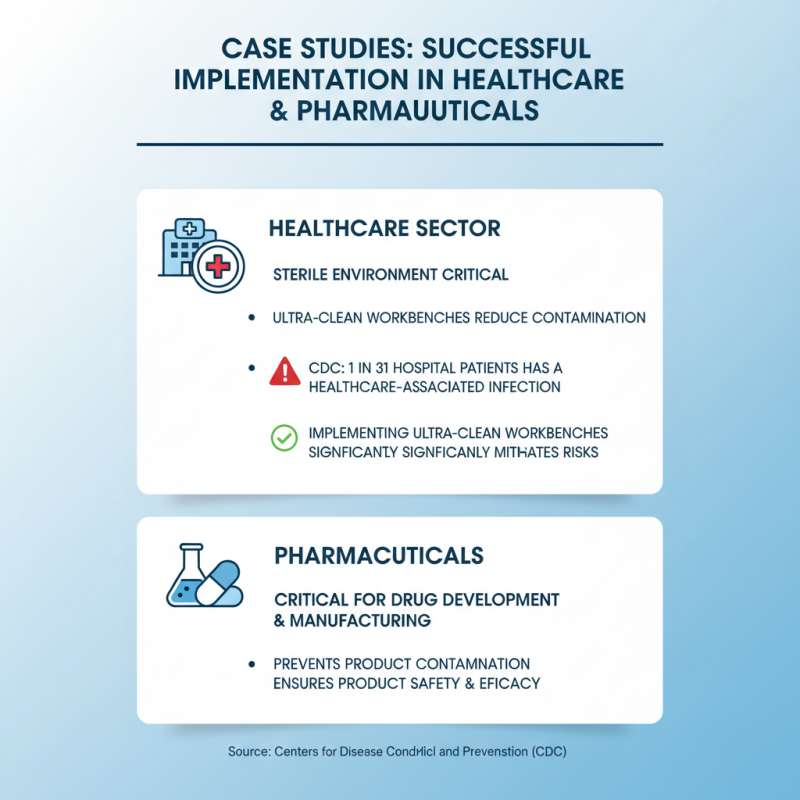
In the healthcare sector, maintaining a sterile environment is critical. Ultra clean workbenches play a vital role in reducing contamination. A study published by the Centers for Disease Control and Prevention (CDC) indicates that 1 in 31 hospital patients has a healthcare-associated infection. Implementing ultra clean workbenches can significantly mitigate these risks.
Pharmaceutical companies have also seen success with ultra clean workbenches. In one case, a major manufacturer reported a 30% reduction in contamination rates after adopting these specialized workstations. This change led to increased efficiency in drug production and a boost in regulatory compliance. Interestingly, while the initial costs can be high, the long-term savings from reduced waste and rework are substantial.
However, integrating these workbenches isn't without challenges. Some staff may resist the change, leading to inconsistent usage. It’s essential to provide adequate training and emphasize the importance of these workspaces. Continuous evaluation and feedback can improve adherence to protocols. The transition is a journey that calls for ongoing reflection and adaptation.