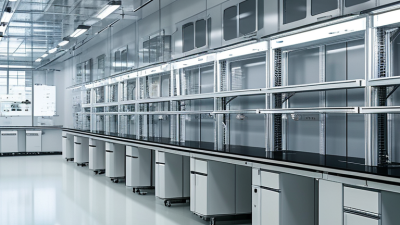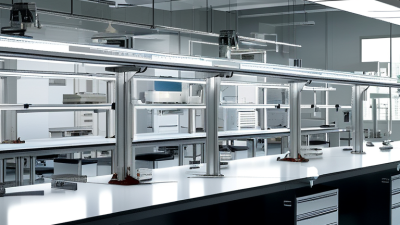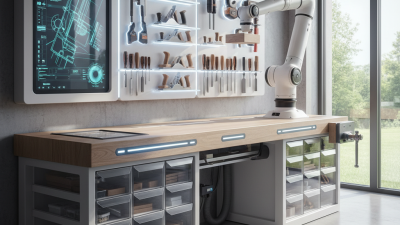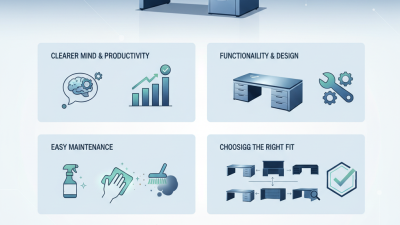
Choosing an Ultra Clean Workbench is not simply a matter of buying the strongest fan or the brightest stainless-steel cabinet. It is a controlled-environment decision involving airflow, filtration, noise, ergonomics, maintenance, and risk. ISO 14644-1:2015 classifies clean air by airborne particle concentration, giving buyers a measurable basis for comparing performance. Yet particle class alone is not enough. A bench can look spotless while airflow becomes unstable near the sash, rear grille, or operator’s hands. Small details matter.
Energy use also deserves attention. Guidance from the U.S. Department of Energy and Lawrence Berkeley National Laboratory has reported that cleanrooms may consume 10 to 100 times more energy per square foot than ordinary offices. That figure makes fan efficiency, heat output, and filter pressure drop practical purchasing concerns, not decorative specifications. FDA’s Guidance for Industry on sterile drug products further emphasizes validated air control and contamination prevention. For biological work, an Ultra Clean Workbench must not be confused with a certified biological safety cabinet. NSF/ANSI 49 provides a separate framework for biosafety cabinet design and testing.
Real experience often exposes the missing questions. Can staff clean the rear corners without stretching? Does the work surface remain stable under vibration? Is the HEPA filter certificate traceable? Who will test airflow after installation? These points are easy to overlook.
Some choices will remain imperfect. A quieter motor may reduce airflow flexibility. A larger chamber may improve comfort but increase energy demand. The right selection balances documented performance, intended application, service support, and daily human behavior. That is where the following ten tips begin.
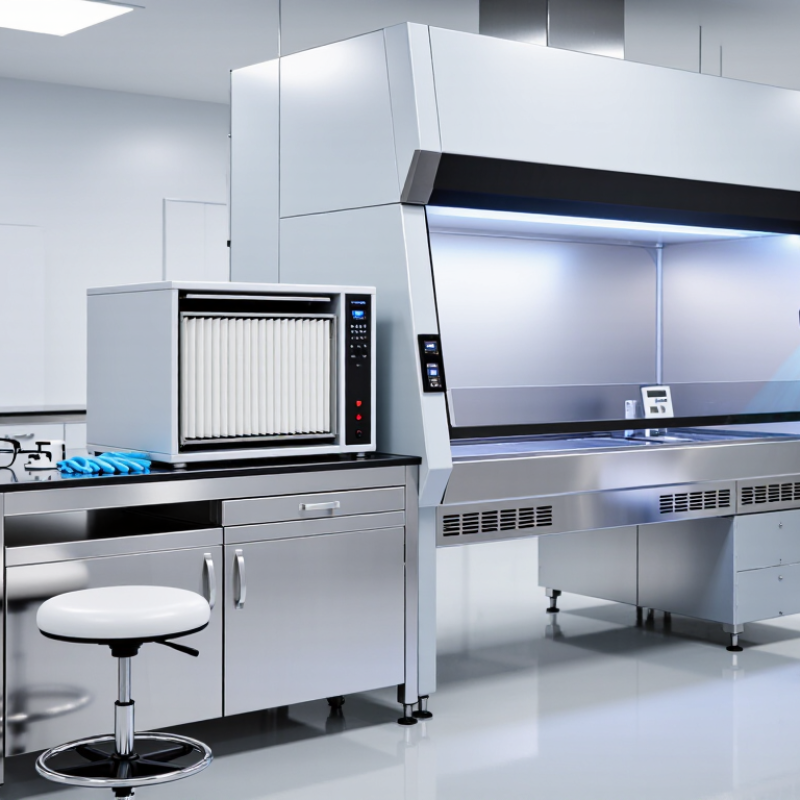
An ultra clean workbench should match the cleanliness your process actually requires. Do not choose the lowest particle rating automatically. Define the risks first: airborne particles, microbial contamination, chemical residue, or static charge. A precision assembly area may need particle control, while sterile handling requires stronger environmental monitoring. Write measurable limits for particles, airflow, temperature, and cleaning frequency.
Tip: Ask what could fail if one particle lands on the work. Review product size, exposure time, and operator movement. A small optical component may need stricter control than a larger mechanical part. In my experience, teams often focus on airflow and overlook surface residue. That mistake is expensive.
Tip: Separate “clean” from “safe.” A filtered-air workbench can protect a product, but it may not protect the operator or surrounding room. Confirm the intended protection with a qualified specialist. Request test reports, filter integrity results, noise data, and maintenance procedures. Records matter.
Choose a cleanliness level that can be maintained every day, not only measured during installation. Define gowning, wiping materials, tool storage, and access limits before purchase. I once underestimated door openings and operator movement; the measured performance changed quickly. Cleanliness is a system, not just a specification. A practical standard beats an impressive number that nobody can sustain.
Tip 1: Define the contamination risk before selecting a workbench. Particles, chemicals, moisture, and static require different material choices. A polished stainless-steel surface suits many controlled environments. It resists corrosion and supports thorough wiping.
Tip 2: Check every joint, edge, and underside. Open seams can collect powder and fibers. Choose welded corners or sealed connections where practical. Tip 3: Match the coating to your cleaning agents. Epoxy surfaces handle many routine disinfectants, but harsh solvents may cause swelling or discoloration. Request compatibility data from the supplier. Tip 4: Avoid porous wood and damaged laminates. They can absorb spills and release hidden particles later. Small cracks matter.
Tip 5: Control static when handling sensitive components. Use dissipative materials, grounding points, and suitable flooring together. One feature rarely solves the entire problem. Tip 6: Consider the legs, shelves, and leveling feet. They should be easy to clean, stable, and free from unnecessary cavities. Tip 7: Select a surface that matches your inspection lighting. Glossy finishes reveal residue, but glare can obscure fine defects. Tip 8: Confirm load capacity under real equipment weight. Tip 9: Plan cleaning access around cables and instruments. Tip 10: Record the chosen material, cleaning method, and inspection frequency. This supports reliable audits and consistent training.
I once focused too heavily on the tabletop and overlooked the underside. That mistake made cleaning slower. I still question whether every “clean” design performs equally after years of use. Test a sample surface with your actual wipes, chemicals, gloves, and tools before committing.
Match the workbench materials to your contamination controls
Relative ratings are based on commonly documented material characteristics used in clean manufacturing: low particle generation, chemical resistance, corrosion resistance, and ease of cleaning. Stainless steel generally provides the strongest overall balance for stringent contamination control, while polymer surfaces may be suitable when chemical exposure and static-control requirements are carefully evaluated.
Airflow determines whether particles move away from the work zone or settle on critical surfaces.
Look for stable, unidirectional airflow across the entire working area, not only near the filter face. During practical evaluations, a simple smoke study can reveal turbulence around the sash, rear wall, or equipment. Watch the smoke closely. Uneven movement signals a design concern. Air velocity should match the stated performance range and be verified during commissioning.
Filtration is equally important. High-efficiency filters should remove very small particles, but filter efficiency alone does not prove cleanliness. Check the filter grade, installation seal, replacement method, and test documentation. A particle counter can confirm actual conditions at several points, including corners and the operator’s hand position. Readings may change when instruments, containers, or tubing enter the workspace. This detail is easy to overlook.
Particle management also depends on work habits. Keep materials away from the airflow path, reduce unnecessary movement, and clean surfaces with low-shedding wipes. Review alarm functions for airflow loss and filter loading. Maintenance records should show calibration, leak testing, and corrective actions. In one evaluation, the bench appeared clean until a poorly placed power cable created a small turbulence zone. The result was useful, but imperfect. No single test captures every operating condition. Test the workbench empty, occupied, and during normal procedures.
10 Tips for Choosing an Ultra Clean Workbench
Size should match the work, not merely the available wall space. Measure equipment, operator movement, cable routes, and door clearance before ordering. A shallow bench may look efficient, but crowded tools quickly create contamination risks. Leave enough knee space for comfortable sitting and standing.
Ergonomics matters during long procedures. Choose a height that keeps elbows near ninety degrees and shoulders relaxed. Rounded front edges reduce pressure on the forearms. Adjustable feet help level the surface on uneven floors. Bright, low-glare lighting reveals dust, spills, and small parts clearly. It sounds minor. It is not.
Safety depends on stable construction, suitable load capacity, and easy cleaning. Select nonporous surfaces with sealed joints and minimal gaps. Confirm that materials resist the chemicals used in your workspace. Grounding options may be necessary around sensitive instruments. Airflow, power outlets, waste handling, and emergency access must also fit the room. I once selected a bench by surface width alone, then discovered that the rear equipment blocked a service panel. That mistake was avoidable. Review ventilation, walkway width, door swings, and nearby storage with an experienced technician. A clean workbench cannot compensate for poor workspace planning. Recheck the layout using cardboard or tape before installation; real movement often exposes problems that drawings miss.
| No. | Selection Dimension | What to Check | Practical Target or Guidance | Why It Matters |
|---|---|---|---|---|
| 1 | Working Surface Size | Measure the equipment footprint, operator reach area, material flow, and required service clearance. | A common starting range is 1,200–1,800 mm wide and 750–900 mm deep. Keep frequently used items within approximately 400–500 mm of the operator. | Adequate space prevents overcrowding, reduces unnecessary reaching, and helps maintain an organized clean zone. |
| 2 | Working Height | Check whether the work is mainly performed while seated, standing, or in both positions. | Look for adjustable height around 700–900 mm, or select a fixed height suited to the primary task. Ensure sufficient knee clearance for seated work. | Correct height helps keep the neck, shoulders, elbows, and wrists in more neutral positions. |
| 3 | Surface Material | Assess corrosion resistance, chemical compatibility, smoothness, seams, edges, and cleanability. | Prefer nonporous, low-shedding surfaces such as smooth stainless steel or a suitable high-pressure laminate. Avoid cracks, exposed wood, deep joints, and rough welds. | A continuous, nonabsorbent surface is easier to disinfect and less likely to retain particles or spills. |
| 4 | Cleanability and Drainage | Inspect corners, underside panels, cable openings, leveling feet, and areas where liquids or particles could accumulate. | Choose rounded or sealed corners, flush fittings, minimal horizontal ledges, and removable components that can be cleaned without special tools. | Good detailing reduces hidden contamination points and shortens routine cleaning time. |
| 5 | Airflow and Filtration | Confirm the required airflow pattern, filtration level, face velocity, noise, and certification method. | For unidirectional clean-air work, a commonly specified average face velocity is approximately 0.3–0.5 m/s. Verify performance using site-specific testing and the applicable cleanroom classification. | Properly verified airflow helps control airborne particles without creating excessive turbulence or operator discomfort. |
| 6 | Lighting and Visibility | Check illuminance, glare, shadows, color rendering, and whether lighting introduces heat or particle concerns. | A practical inspection range is about 500–1,000 lux, adjusted for task precision. Use diffused, low-glare lighting with protected, easy-to-clean housings. | Suitable lighting improves inspection accuracy and reduces eye strain. |
| 7 | ESD Protection | Determine whether electrostatic-sensitive devices will be handled and check the worktop, grounding points, wrist-strap connection, and floor interface. | Use a dissipative work surface and a verified grounding system. A commonly used resistance-to-ground range for a dissipative workstation is 1 × 10⁶ to less than 1 × 10⁹ ohms, subject to the applicable ESD program. | Controlled dissipation helps reduce the risk of damaging sensitive electronic components. |
| 8 | Safety and Load Capacity | Review the rated load, stability, anchoring, rounded edges, electrical protection, and emergency access. | Choose a rated capacity that exceeds the maximum combined equipment load by a reasonable safety margin. Use protected outlets, cable management, and adjustable leveling feet. | A stable, properly rated bench reduces tipping, vibration, trip hazards, and electrical risks. |
| 9 | Workspace Compatibility | Measure doorways, aisles, ceiling height, utilities, wall clearance, HVAC conditions, and the required cleanroom zone. | Maintain a clear access route and preserve the manufacturer’s required service clearance. Check electrical voltage, outlet capacity, exhaust needs, and available network or data connections. | A bench that fits the room but blocks airflow, access, or maintenance space can reduce performance and create hazards. |
| 10 | Maintenance and Verification | Ask about filter replacement, airflow checks, surface inspection, electrical testing, calibration, and cleaning procedures. | Require documented commissioning results and define inspection intervals based on use, risk, and applicable facility procedures. Keep spare filters and cleaning materials available. | Regular verification confirms that cleanliness, airflow, grounding, and safety performance remain within the required limits. |
10 Tips for Choosing an Ultra Clean Workbench
Compare Maintenance Needs, Certifications, and Total Cost
An ultra-clean workbench should match the process, not just look polished. ISO 14644-1:2015 defines nine airborne-particle cleanliness classes. Ask which class your work actually requires. A stronger rating may increase fan energy, noise, and filter costs without improving results. Check airflow direction, face velocity, and working-zone coverage. A certification report should show measured values, test methods, and acceptance limits. Vague claims are warning signs.
HEPA performance also needs careful review. The U.S. Department of Energy commonly references 99.97% efficiency at 0.3 micrometers for HEPA filtration. However, EN 1822 testing uses the most penetrating particle size, so labels are not always directly comparable. Request factory testing, field validation, and calibration records. Confirm whether the unit follows relevant ISO, IEST, or electrical safety requirements. Do not treat a general clean bench as a substitute for a certified containment cabinet. The distinction matters.
Maintenance often decides the real cost. Compare filter replacement intervals, access time, cleaning chemicals, lamp changes, and service labor. Record annual energy use from the equipment label, then estimate ten-year operating costs. A low purchase price can hide frequent shutdowns. In practice, technicians notice small details: removable grilles, rounded corners, and readable alarms. I have seen attractive benches become difficult to clean around screw heads. That design flaw was easy to miss. Ask for spare-part availability, warranty limits, and a documented maintenance schedule before approving the purchase.