Who Is the Best Centrifugal Fan Manufacturer in China? The answer depends on more than production volume or a polished website. A dependable manufacturer must understand airflow, static pressure, noise control, motor selection, vibration, and long-term maintenance. It should also explain its testing methods clearly, not hide behind impressive specifications.
As fan-industry specialist Paul A. Lutz has observed, “Efficiency begins with understanding the system, not merely selecting the fan.” This principle is important when comparing Chinese manufacturers. A strong supplier should provide performance curves, material details, balancing records, factory testing information, and practical installation guidance. Buyers should also inspect the manufacturing process, including impeller welding, dynamic balancing, coating quality, and final inspection. Small details matter. A loose bearing can become an expensive failure.
Experience offers another useful test. Ask whether the manufacturer has supplied fans for factories, commercial buildings, tunnels, cleanrooms, or demanding process environments. Request project evidence and customer references. However, no supplier should be judged only by famous clients or low prices. That approach can be misleading.
The best Centrifugal Fan manufacturer may not be the largest company. It may be the one that asks better technical questions, identifies hidden system resistance, and admits where its design needs improvement. Even experienced engineers can overlook seasonal operating changes or poor duct layout. A careful manufacturer reviews these risks before production. This article compares Chinese suppliers through engineering capability, product reliability, customization experience, after-sales support, and transparent communication. The goal is not to name a winner too quickly, but to identify the manufacturer most suitable for a specific application.
A centrifugal fan manufacturer designs, produces, tests, and supports equipment that moves air through industrial systems. Its role extends beyond building a metal casing and installing an impeller. Engineers must match airflow, pressure, temperature, noise, and operating hours with the customer’s process.
The International Energy Agency reports that motor-driven systems consume roughly half of global electricity. This makes fan efficiency a practical concern, not just a technical preference. A capable manufacturer uses aerodynamic modelling, balanced rotors, variable-speed control, and documented performance testing. ISO 13349 defines fan terminology, while AMCA 210 provides a recognized method for measuring airflow and pressure. These references help buyers compare performance fairly.
A reliable Chinese manufacturer should provide test curves, material specifications, vibration readings, and traceable inspection records. Factory experience also matters. A technician checking a rotor with a balancing machine can prevent costly vibration later. Yet selection is not always simple. A high-efficiency design may perform poorly when installed with sharp elbows or an undersized duct. Even experienced teams can miss this detail. The U.S. Department of Energy’s fan-system guidance stresses that system design and control often influence energy use as much as fan efficiency. Buyers should therefore assess engineering support, testing discipline, replacement-part access, and after-sales response. The best manufacturer is not necessarily the largest. It is the one that proves its claims under the buyer’s actual operating conditions.
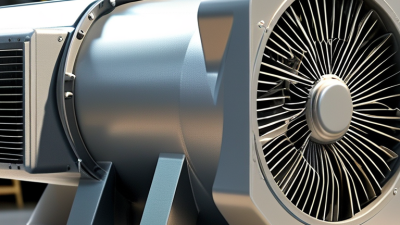
The best manufacturer is not always the one offering the lowest quotation. Evaluate engineering depth, production control, and evidence from real installations. A serious supplier should explain airflow, static pressure, temperature, noise, and motor requirements clearly. Vague promises are warning signs.
During a factory audit, inspect impeller balance, welding quality, coating thickness, and assembly cleanliness. Ask to review performance test records, calibration dates, and inspection procedures. The testing room should contain usable instruments, not decorative equipment. Measure twice. Request drawings, material specifications, efficiency data, and tolerance limits before approving production. Independent certifications can support credibility, but they should match the actual product and factory process.
Reliable communication also matters. Check how quickly engineers answer technical questions and how they handle design changes. Ask for references from similar applications, such as workshops, warehouses, or dust-control systems. Confirm lead times, spare-part availability, packaging details, and warranty responsibilities in writing. A factory may appear highly capable online yet struggle with small custom revisions. That gap matters. A practical evaluation should include a sample inspection or witnessed test, even when the supplier seems experienced. Cost remains important, but poor balancing or weak corrosion protection can create vibration, energy waste, and costly downtime later. An honest manufacturer will admit limitations and suggest a safer specification when the original request is unrealistic.
China has become a major production base for industrial centrifugal fans. Leading centrifugal fan manufacturers in China compete through engineering accuracy, stable production, and practical customization. Their strength is not only low-cost manufacturing. It also comes from experience with factories, tunnels, boilers, workshops, and dust-control systems.
During factory visits, buyers should inspect machining, balancing, welding, and motor assembly. A clean assembly area suggests discipline, but it does not prove everything. Still, photographs can mislead. Experienced manufacturers begin with airflow, pressure, temperature, and operating hours. They select impellers, housings, shafts, and motors according to real working conditions. A reliable supplier explains these choices in clear technical language. It should provide performance curves, material details, inspection records, and operating instructions. Noise readings, vibration checks, and balance tests matter. These details matter greatly. Some manufacturers offer simulation and customized inlet designs. That flexibility can reduce energy waste and installation problems.
Professional teams also understand local maintenance conditions. They ask about dust levels, corrosion, available power, and replacement access. After-sales support deserves equal attention. Clear drawings, spare-part lists, and troubleshooting guidance help maintenance crews work faster. Yet no manufacturer is perfect. A missed tolerance or delayed component can still happen. The better factories admit weaknesses and correct them through documented procedures. Buyers should compare test evidence, communication quality, delivery control, and long-term service. Trust grows through evidence.
A practical, brand-neutral benchmark for evaluating centrifugal fan manufacturers in China
| Evaluation Dimension | Reliable Industry Benchmark | Why It Matters | Recommended Verification Evidence |
|---|---|---|---|
| Airflow and Pressure Performance | Published fan curves should show airflow, static pressure, total pressure, power input and efficiency across the operating range. | A fan should be selected at its actual duty point rather than by motor size or nominal diameter alone. | Test reports or certified performance data based on AMCA 210 or ISO 5801. |
| Fan Efficiency | High-quality designs should provide clearly stated total or static efficiency at the specified operating point. | Higher efficiency can reduce electricity consumption and operating costs over the fan’s service life. | Complete performance curves, efficiency calculations and a clearly defined measurement method. |
| Noise Control | Noise data should identify sound power or sound pressure, test conditions, speed and operating point. | Noise performance is critical in commercial buildings, HVAC systems, cleanrooms and occupied industrial areas. | Acoustic test information using recognized procedures such as AMCA 300, where applicable. |
| Impeller and Housing Construction | Common materials include galvanized steel, carbon steel with protective coating, stainless steel and aluminum, selected according to the environment. | Material selection affects corrosion resistance, mechanical strength, temperature tolerance and maintenance requirements. | Material certificates, coating specifications, weld-quality records and dimensional inspection reports. |
| Balancing and Vibration Control | Impellers should be dynamically balanced, and rotating assemblies should be checked for vibration during factory inspection. | Good balance reduces bearing loads, noise, vibration and the risk of premature component failure. | Dynamic-balancing records and vibration measurements referenced to ISO 21940 or an agreed equivalent. |
| Motor and Drive Options | Available configurations may include direct drive, belt drive, variable-frequency-drive compatibility and electronically commutated motor options. | The correct drive arrangement improves controllability, installation flexibility and energy performance. | Motor datasheets, efficiency-class documentation, speed-control compatibility and electrical test records. |
| Temperature and Application Range | Operating limits must be stated for standard air, high-temperature air, dusty air, corrosive environments or explosive-atmosphere applications. | Temperature, dust and chemical exposure can significantly affect fan materials, bearings, seals and motor selection. | Application-specific technical data, temperature limits, bearing specifications and compliance documentation for special environments. |
| Quality Management | A structured production system should include incoming-material inspection, process control, final inspection and traceability. | Consistent quality is more dependable than relying only on a single prototype or sample unit. | Valid quality-management certification, inspection plans, calibration records and nonconformance procedures. |
| Customization Capability | Experienced manufacturers should be able to adapt airflow direction, rotation, mounting arrangement, materials, coatings and control requirements. | Industrial and HVAC projects often require dimensions and performance characteristics that standard catalog units cannot provide. | Engineering drawings, approval drawings, design calculations and documented prototype or pre-production testing. |
| Factory Acceptance Testing | Important projects should include inspection of dimensions, rotation, current, vibration, airflow, pressure and noise where required. | Factory testing helps identify performance or assembly issues before shipment and installation. | Signed factory acceptance test reports with serial-number traceability and agreed acceptance criteria. |
| After-Sales Support | Technical support should cover selection, installation, commissioning, spare parts, troubleshooting and maintenance guidance. | Responsive support can reduce commissioning delays and extend the operating life of the equipment. | Service-response procedure, spare-parts list, maintenance manuals and clearly defined warranty terms. |
Who Is the Best Centrifugal Fan Manufacturer in China?
Product Quality, Certifications, and Customization Capabilities
Choosing the best centrifugal fan manufacturer requires more than comparing prices. Real experience appears in consistent airflow, stable pressure, and low vibration during operation. A reliable manufacturer should explain how each fan is tested before shipment. Testing may include impeller balancing, motor inspection, noise measurement, and performance verification against approved curves.
Look for a documented quality system, such as ISO 9001 certification, supported by traceable production records. Relevant product certifications can strengthen confidence, but certificates should be checked for scope, validity, and matching models. A certificate alone proves little. Factory audits, sample inspections, and clear technical files provide stronger evidence. Ask for material specifications, bearing details, welding standards, and maintenance instructions. Small details matter.
Customization is another important measure of expertise. Experienced engineers can adjust airflow, static pressure, speed, motor power, inlet size, and installation direction. They should also consider corrosive air, dusty workshops, limited space, and continuous-duty requirements. A useful supplier studies the operating conditions before suggesting a model. Not every design is perfect. Some manufacturers may overlook noise or service access when focusing on airflow. That mistake can become expensive later. Request drawings, test data, prototypes, and written confirmation of critical dimensions. Communication should remain precise from the first inquiry to final inspection.
Who Is the Best Centrifugal Fan Manufacturer in China?
Selecting the best centrifugal fan manufacturer starts with your operating point, not a factory tour. Define airflow, static pressure, temperature, altitude, gas density, duty cycle, and allowable noise. A fan that looks oversized may run inefficiently for years. The U.S. Department of Energy reports that fan systems can represent 10–15% of industrial electricity use. Its Improving Fan System Performance guide also identifies potential savings of 20–50% through system optimization. Treat these figures as guidance, not a promise.
Ask each manufacturer for performance curves, test conditions, efficiency at your actual duty point, and operating tolerances. Prefer data tested under ISO 5801 or AMCA procedures, with the test class clearly stated. Check impeller balance, bearing life, motor efficiency, coating thickness, vibration limits, and enclosure protection. Request a sample inspection report. Small omissions become expensive.
Selection also depends on evidence after delivery. Review commissioning support, spare-parts availability, response times, warranty boundaries, and similar installations. Ask for references, then verify them with operating staff. A polished brochure is not proof. I would score suppliers with a weighted matrix and inspect the proposed unit before payment. No checklist is perfect. The uncomfortable truth is that the cheapest quotation may become the costliest option when duct losses, control settings, or maintenance access are ignored. Recheck every assumption.